Why Periodontal Treatment Matters for Long-Term Oral Health

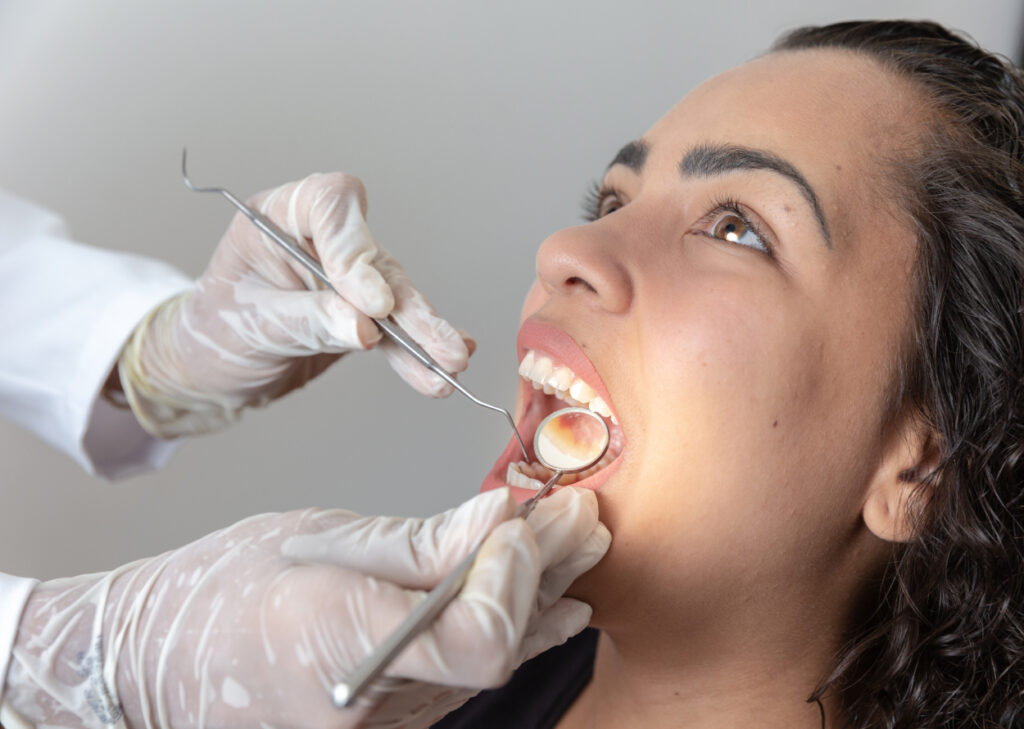
Healthy teeth do not stay healthy on their own. They depend on the tissues around them, the gums, bone, ligament, and the small but vital attachment that keeps each tooth stable under years of chewing pressure. When those supporting structures become inflamed or infected, the problem is no longer just cosmetic or superficial. It becomes a long-term threat to comfort, function, and often to overall health habits as well. That is why periodontal treatment deserves far more attention than it typically gets.
Many people still think of gum disease as a matter of occasional bleeding when brushing, or something that simply comes with age. In practice, that assumption causes damage. Bleeding gums are not normal. Persistent inflammation around the teeth is not benign. Left untreated, periodontal disease can quietly move from mild irritation to deep pockets, bone loss, loose teeth, chronic bad breath, shifting bite, and ultimately tooth loss. What makes it especially tricky is that the disease often advances with very little pain in its earlier stages. Patients can feel fine while measurable destruction is taking place.
Periodontal treatment addresses that process before it becomes harder and more expensive to manage. It protects far more than appearance. It helps preserve chewing efficiency, speech, comfort, confidence, and treatment options for the future. It can also make every other part of dental care work better, from fillings and crowns to implants and orthodontics.
The real problem is not just the gums
The term "gum disease" sounds narrower than the condition actually is. Gingivitis, the earliest stage, is inflammation limited to the gum tissue. At that point, the condition is often reversible with professional cleaning and consistent home care. Periodontitis is different. Once the inflammation extends deeper and affects the supporting bone and connective tissue, the stakes change.
In clinical settings, one of the most common patterns is a patient who says, "My teeth themselves seem fine, but my gums bleed." On examination, the enamel may indeed look serviceable, with few or no cavities, yet the supporting structures tell another story. Deep periodontal pockets collect bacteria below the gumline where a toothbrush cannot reach. Hardened deposits, known as calculus, cling to root surfaces. The body responds to the bacterial burden with inflammation, and over time that inflammatory process contributes to attachment loss and bone destruction.
That is why periodontal treatment matters so much. Teeth are only as durable as the foundation that supports them. A strong crown on a weak base is not a stable long-term solution.
How periodontal disease develops in everyday life
Periodontal disease usually begins in ordinary, familiar ways. Plaque accumulates along the gumline. If it is not removed thoroughly and regularly, it hardens into calculus. The rough surface of calculus makes it easier for more bacteria to colonize the area. The gums become inflamed, swollen, and prone to bleeding. Patients often notice a little pink in the sink and ignore it.
From there, several factors can accelerate the problem. Smoking is a major one, partly because it reduces blood flow and partly because it can mask obvious bleeding, making the disease seem less active than it is. Diabetes, especially when not well controlled, can increase susceptibility and make healing more difficult. Dry mouth, stress, crowded teeth, clenching, certain medications, hormonal shifts, and inconsistent oral hygiene all influence the course of disease.
Age alone is not the cause, but cumulative exposure matters. A person in their fifties or sixties may be dealing with decades of low-grade inflammation, previous dental work, worn restorations, recession, and habits that were never corrected. On the other hand, periodontal disease is not restricted to older adults. It can appear much earlier, and in some patients it progresses with surprising speed.
The signs patients should take seriously
One of the difficulties with periodontal disease is that people often normalize its early warning signs. They assume bleeding after flossing means they should floss less, when the opposite is usually true. They accept chronic bad breath as a nuisance instead of seeing it as a possible indicator of bacterial buildup below the gums. They adapt to changes in their bite so gradually that they do not register them until a tooth feels loose.
The symptoms that deserve prompt evaluation include the following:
- Bleeding during brushing, flossing, or eating
- Persistent bad breath or an unpleasant taste
- Gum swelling, tenderness, or recession
- Teeth that appear to shift, loosen, or develop new spacing
- Pain when chewing, or sensitivity around the roots
Not every case presents with all five signs, and some advanced cases are surprisingly quiet. That is why regular periodontal evaluation matters even when the mouth feels comfortable.
Why early treatment changes the long-term picture
The difference between early and delayed periodontal treatment is not subtle. In early disease, treatment may involve a thorough professional cleaning, improved plaque control, closer recall visits, and monitoring. In more established periodontitis, the approach often becomes more intensive, involving scaling and root planing, reevaluation of pocket depths, localized antimicrobial therapy in selected cases, and in some situations referral to a periodontist for surgery or advanced management.
The practical advantage of catching disease early is preservation. The body does not regenerate lost periodontal support predictably on its own. Once bone and attachment are gone, treatment focuses on controlling infection, preventing further loss, and in specific circumstances attempting regeneration in carefully selected defects. That is useful and often highly worthwhile, but it is different from restoring tissues to the original baseline without limitation.
There is also a financial reality. Early intervention is typically less expensive and less invasive than managing advanced disease, replacing lost teeth, or rebuilding a bite after multiple failures. Patients sometimes postpone treatment because the gums are not hurting. Months or years later, they face more involved procedures and fewer options.
What periodontal treatment actually involves
The phrase "periodontal treatment" covers a range of care, not one single procedure. The exact plan depends on diagnosis, pocket depths, bleeding patterns, bone levels on radiographs, mobility, recession, plaque control, risk factors, and the patient’s goals and ability to maintain results.
A common first phase is non-surgical periodontal therapy. This often includes scaling and root planing, which removes plaque, calculus, and bacterial toxins from root surfaces below the gumline. The goal is not merely to make teeth feel cleaner. The goal is to reduce the bacterial load and create conditions in which the tissue can heal and tighten to the tooth as much as possible.
Patients are sometimes surprised that this treatment can require local anesthesia and more than one visit. That should not be taken as a sign that something unusual is happening. If deposits extend deep below inflamed gums, superficial polishing will not solve the problem. Thoroughness matters.
After the initial therapy, reevaluation is critical. Some areas respond very well, with reduced inflammation and shallower pocket depths. Others remain problematic. In those areas, further treatment may be recommended. Depending on the case, that might involve surgical pocket reduction, regenerative procedures, crown lengthening, soft tissue grafting for recession, extraction of hopeless teeth, or coordinated treatment planning with restorative and implant care.
This is one area of dentistry where judgment matters as much as technique. Not every deep pocket requires the same response. Not every mobile tooth should be removed. Not every recession defect should be grafted. Good periodontal care weighs disease activity, anatomy, prognosis, patient habits, esthetic priorities, and maintenance potential.
The connection between periodontal health and tooth longevity
If the goal is to keep natural teeth as long as reasonably possible, periodontal stability is central. Restorative dentistry can repair damage, but it cannot compensate indefinitely for active periodontal breakdown. A beautifully crafted crown on a tooth with progressive bone loss has a compromised future. A bridge anchored to periodontally unstable teeth has a reduced margin of safety. Even implant planning depends on controlling periodontal disease first, because the bacterial environment and oral hygiene patterns that harmed natural teeth can also threaten implant health.
In practical terms, untreated periodontal disease shortens the lifespan of other dental work. Margins become harder to keep clean. Recession may expose crown edges or root surfaces. Mobility can affect occlusion. Inflammation can lead to discomfort that patients attribute to a filling or crown when the underlying problem is actually the supporting tissue.
This is why experienced clinicians often pause larger treatment plans until the periodontal condition is under control. It is not a delay for its own sake. It is a way of protecting the investment and improving the odds that the final work lasts.
What patients often misunderstand about bleeding gums
A common misconception is that bleeding means the tissue is too delicate to floss. Clinically, bleeding usually means the tissue is inflamed because plaque and bacteria have been allowed to remain undisturbed. Gentle but thorough cleaning, combined with professional treatment when needed, is what reduces that inflammation over time.
Another misunderstanding is that mouthwash alone can solve the problem. Antimicrobial rinses can have a role, especially as an adjunct in selected cases, but they do not remove calculus and they do not mechanically disrupt mature biofilm as effectively as proper brushing, interdental cleaning, and professional instrumentation.
There is also the belief that if a dental cleaning was done recently, active gum disease must be impossible. The issue here is that not all cleanings address the same level of disease. A routine prophylaxis is meant for a generally healthy mouth or very mild inflammation. It does not substitute for periodontal therapy when there are pathologic pocket depths and subgingival calculus. The distinction matters, because under-treatment allows disease to continue while giving the patient false reassurance.
Maintenance is where long-term success is won
The visible treatment phase gets most of the attention, but maintenance determines the outcome. Periodontal disease is typically managed, not cured in the simplistic sense. A patient who responds well still remains more susceptible than someone who never developed the disease. That means the recall schedule, home-care routine, and monitoring process are not optional details. They are part of the treatment itself.
Most successful long-term periodontal patients share a few traits. They understand their diagnosis. They return for periodontal maintenance at intervals tailored to their risk, often every three to four months rather than every six. They clean between the teeth consistently. They replace worn brushes and devices. They ask questions when something feels different. They do not assume the absence of pain means the absence of disease.
A maintenance visit is more than a quick polish. It may include assessment of pocket depths, bleeding points, mobility, recession, furcation involvement, plaque patterns, and areas of recurrent calculus. Radiographs are updated when clinically indicated. Specific trouble spots are addressed before they become larger failures.
Periodontal treatment and overall health considerations
It is wise to speak carefully here, because exaggerated claims are common. Periodontal treatment should not be presented as a cure for systemic disease. That would be irresponsible. At the same time, chronic oral inflammation does not exist in isolation. There is a well-established relationship between periodontal disease and systemic health patterns, especially in people with diabetes, and the inflammatory burden in the mouth can complicate daily health management.
From a practical standpoint, this means two things. First, patients with diabetes, smoking history, immune compromise, or significant medical complexity often benefit from closer periodontal monitoring. Second, improving periodontal health can make oral comfort, nutrition, and self-care easier, which matters more than many people realize. A sore, bleeding mouth discourages brushing and can influence food choices. A healthier mouth supports better routine behavior.
Pregnancy also deserves mention. Hormonal shifts can intensify gingival inflammation, and a patient who previously had only mild irritation may notice dramatic bleeding during pregnancy. That does not mean treatment should be avoided. It means periodontal evaluation becomes more important, with care coordinated appropriately and timed sensibly.
The emotional side of periodontal disease
There is an emotional burden to gum disease that often goes unspoken. Patients may feel embarrassed by chronic https://eduardotfrk975.novacrestiq.com/posts/periodontal-treatment-and-bone-loss-can-it-be-managed bad breath, self-conscious about gum recession, or frightened when they hear that bone loss is present. Others blame themselves immediately, even when genetics, medical conditions, or old dental crowding played a role. A useful periodontal discussion is honest without being accusatory.
In practice, some of the most relieved patients are the ones who finally understand what has been happening. They are not "just brushing too hard." They are not imagining the problem. There is a diagnosis, there is a reason for the symptoms, and there is a plan. That clarity matters. It turns a vague sense of decline into a manageable course of action.
When advanced treatment becomes necessary
Not every case responds fully to non-surgical care. Deep angular defects, furcation involvement around molars, significant recession, persistent bleeding sites, and tissue contours that trap bacteria may require advanced intervention. This is where specialist care can be especially valuable.
Periodontal surgery sounds intimidating to many patients, but its goals are straightforward. Improve access for cleaning, reduce or eliminate deep pockets, reshape or regenerate supporting structures where possible, and create a more maintainable environment. In experienced hands, these procedures can meaningfully extend the life of teeth that would otherwise continue to deteriorate.
There are trade-offs, and they should be discussed candidly. Surgical treatment may improve health while increasing root exposure and sensitivity. Regenerative procedures can work very well in the right defect, but they are not universally indicated. Some teeth can be maintained for years with guarded prognosis, while others are better removed sooner to preserve surrounding bone and simplify future replacement. Thoughtful treatment planning is less about optimism alone and more about realistic long-term function.
Why replacing lost teeth is not the same as preventing loss
Patients sometimes reason that if a tooth is lost, an implant can solve the problem later. Implants are excellent tools in the right circumstances, but they are not a reason to dismiss periodontal treatment. Preserving natural teeth is usually preferable when the prognosis is sound, and implants bring their own maintenance demands and biological risks. A patient who has struggled with plaque control around natural teeth may face similar challenges around implants, including peri-implant inflammation and bone loss.
Tooth loss also changes the mouth in ways that are not always simple to reverse. Neighboring teeth drift. Opposing teeth can over-erupt. Bite forces redistribute. Bone volume in the extraction area can diminish over time. What looked like a single removable problem can affect a much broader restorative plan.
Periodontal treatment aims to interrupt that chain reaction early. The best replacement tooth is often the natural one that never had to be replaced.
Daily habits that make treatment more effective
No periodontal therapy succeeds in the long term without patient participation. That does not mean perfection is required. It means consistency matters more than occasional bursts of effort. The routine has to be realistic enough to survive busy weeks, travel, illness, and ordinary fatigue.
The habits that most often support stability are simple:
- Brush thoroughly twice a day with attention to the gumline
- Clean between the teeth daily with floss, interdental brushes, or another device suited to the spaces
- Keep periodontal maintenance appointments on schedule
- Address smoking or vaping if applicable, because tobacco use makes disease harder to control
- Report new bleeding, sensitivity, or tooth movement promptly
The details should be individualized. A patient with tight contacts may do best with floss. Someone with recession and larger embrasures may get far better results from interdental brushes. A patient with reduced dexterity might benefit from a power brush and adapted cleaning aids. Advice only works when it fits the mouth and the person using it.
What long-term oral health really looks like
Long-term oral health is not simply the absence of cavities. It is the ability to eat comfortably, speak clearly, smile without concern, and maintain stable function year after year. That kind of stability depends on healthy periodontal structures. When the gums and bone are chronically inflamed, the rest of the mouth eventually reflects that instability.
Periodontal treatment matters because it changes trajectory. It stops a silent process that too often goes unnoticed until the damage is harder to reverse. It protects natural teeth, supports other dental work, reduces chronic inflammation in the mouth, and gives patients a realistic path toward durability rather than repeated repair.
The most important point is also the simplest. If gums bleed, recede, swell, or feel persistently different, that is worth investigating. And if periodontal disease is diagnosed, treatment is not an optional add-on to oral care. It is one of the foundations of keeping the mouth healthy for the long haul.
Avra Dental
Address: 1708 S Victoria Ave B, Ventura, CA 93003
Phone number: (805) 941-1001
FAQ About Periodontal Treatment
Can a dentist get rid of periodontal disease?
A dentist or gum specialist (periodontist) cannot fully cure or reverse advanced periodontal disease (periodontitis), but they can successfully stop its progression and manage the infection.
Is periodontitis very serious?
Yes, periodontitis is a very serious, advanced form of gum disease that destroys the bone and tissues supporting your teeth.
How is stage 2 periodontal disease treated?
Stage 2 periodontal disease (early to moderate periodontitis) is primarily treated with non-surgical deep cleaning procedures like scaling and root planing to remove bacteria and tartar below the gumline.